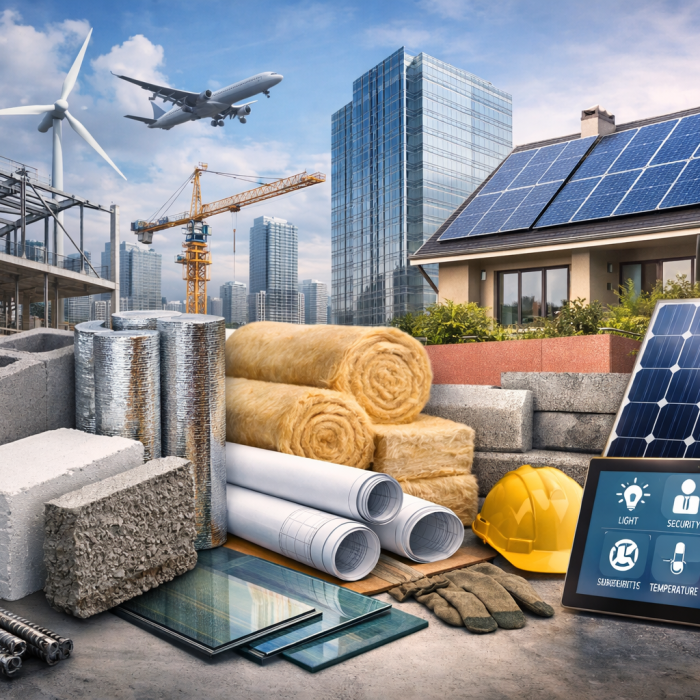


In today’s construction industry, energy-efficient homes are no longer a luxury — they are a necessity. With rising energy costs and increasing environmental awareness, choosing the right building materials plays a crucial role in reducing energy consumption, improving indoor comfort, and lowering long-term costs.
In this guide, we explore the best materials for energy-efficient homes, helping homeowners, builders, and developers make smart, future-ready decisions.

1. Insulated Concrete Forms (ICFs)
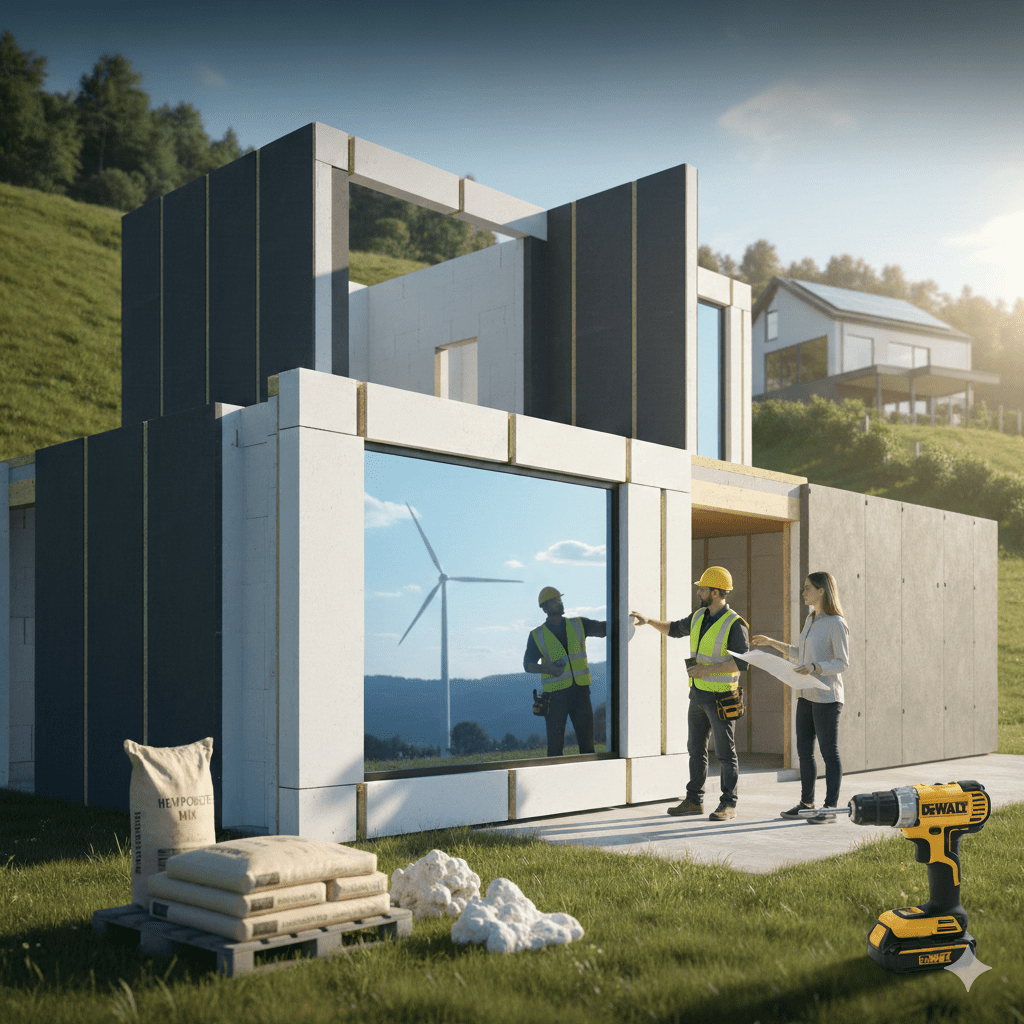
Insulated Concrete Forms are one of the most energy-efficient construction materials available today. They consist of concrete sandwiched between layers of insulation, providing exceptional thermal performance.
Benefits:
- Reduces heating and cooling costs by up to 50%
- High thermal mass and airtight structure
- Excellent soundproofing
- Long-lasting and fire-resistant
2. Energy-Efficient Windows and Doors
Windows and doors play a major role in heat gain and loss. Using double or triple-glazed windows with Low-E glass significantly improves insulation.
Key Features:
- Reduces heat transfer
- Blocks harmful UV rays
- Improves indoor comfort
- Enhances building aesthetics
Best materials: uPVC, aluminum with thermal break, and engineered wood.
3. Sustainable Roofing Materials
Your roof directly impacts your home’s energy performance. Energy-efficient roofing materials help reflect heat and regulate indoor temperature.
Top Choices Include:
- Cool roofs with reflective coatings
- Metal roofing with thermal insulation
- Clay and concrete tiles
- Green roofs (eco-friendly option)
These materials help lower cooling costs, especially in hot climates like the UAE.
4. High-Performance Insulation Materials
Proper insulation is the backbone of energy-efficient homes.
Best insulation options:
- Spray foam insulation
- Mineral wool
- Fiberglass insulation
- Rigid foam boards
These materials reduce air leakage and maintain consistent indoor temperatures year-round.
5. Energy-Efficient Flooring Materials
Flooring also contributes to energy efficiency when chosen wisely.
Recommended materials:
- Bamboo flooring (eco-friendly & durable)
- Cork flooring (natural insulation)
- Engineered wood
- Polished concrete (thermal mass benefits)
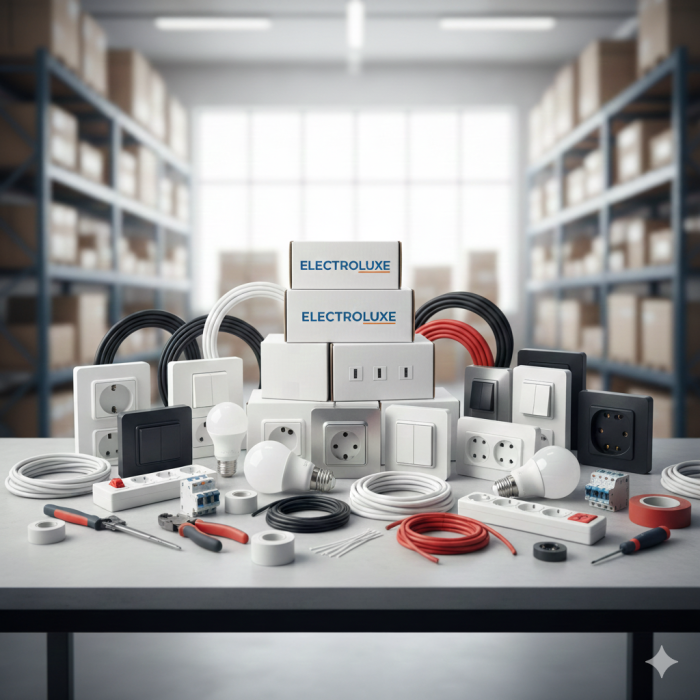
6. Smart & Sustainable Electrical Materials
Energy efficiency goes beyond structure — it includes smart electrical solutions.
Use:
- LED lighting systems
- Smart switches and sockets
- Energy-saving electrical accessories
- Motion sensors and automation systems
These materials reduce electricity consumption and enhance convenience.
7. Eco-Friendly Wall Finishes & Paints
Low-VOC and zero-VOC paints improve indoor air quality while maintaining durability and aesthetics.
Benefits:
- Reduced indoor pollution
- Safer for families
- Long-lasting finish
Why Choose Energy-Efficient Building Materials?
Lower electricity bills
Reduced carbon footprint
Increased property value
Better indoor comfort
Long-term cost savings